 Fix first
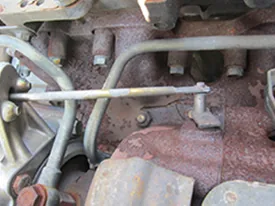
Turbo actuator stuck
Turbo actuator stuck on this truck.
Auto Inspectors books independent pre-purchase inspections throughout Connecticut. The inspector looks the car over where it sits and you receive a written report with photos. Connecticut is one of the few states that makes dealers give a written warranty on many used cars, so knowing whether yours qualifies is worth a minute before you sign.
By Auto InspectorsUpdated
| Dealer warranty, $3,000 to $4,999 | 30 days or 1,500 miles, parts and labor (cars under 7 model years) |
|---|---|
| Dealer warranty, $5,000 and up | 60 days or 3,000 miles, parts and labor (cars under 7 model years) |
| Sales tax, private sale | 6.35%, or 7.75% over $50,000; on price or NADA trade-in, whichever is higher |
| Emissions exemptions | Under 4 model years old; model year 2001 and older; electric vehicles |
| Safety inspection | Not required for most personal cars and trucks |
| VIN verification | $10 at emissions test stations; salvage cars go to the DMV lane in Wethersfield |
| Salvage inspection | DMV lanes in Wethersfield and Hamden, weekday mornings |
Our inspectors work across the whole state. Pick your area, or just enter the ZIP code where the car is in the form.
Not on the list? We still cover it. Every ZIP code in Connecticut is in our area.
Connecticut registration is done by the DMV, and many offices run by appointment, so book ahead. You need the signed title, a bill of sale with the price written on it, proof of insurance and form H-13B, the application for registration and title. Your town will also bill you property tax on the car each year, which surprises people moving in from states that do not do that.
On a private sale you pay sales tax at the DMV: 6.35 percent, or 7.75 percent if the car is over $50,000. The tax is based on the NADA average trade-in value or the bill of sale, whichever is higher. A suspiciously low price on the bill of sale will not save tax, so there is no reason to fudge it.
Most personal cars and trucks in Connecticut need no safety inspection. The state does run an emissions program through privately operated test centers, every two years for most cars. Cars under four model years old and model year 2001 and older are exempt, along with full EVs and heavy trucks.
An emissions pass tells you the engine's emissions equipment works today. It will not show you rusted brake lines, a rotten subframe or a transmission that shudders on the Merritt. Those are what a pre-purchase inspection catches.
Cars from New York, Massachusetts and beyond. Some vehicles need a VIN verification before Connecticut will register them. Most can be done at the emissions test stations for $10. Salvage cars, grey-market imports, kit cars and a few other categories must go to the DMV inspection lane in Wethersfield instead.
Fairfield County buyers shop in Westchester and New Jersey; Hartford buyers look at Springfield and the rest of Massachusetts. One trap: a New York salvage certificate (form MV-907A) is not a title, and Connecticut will not accept it. If you are buying a damaged car out of New York, it has to be inspected and retitled there first. The out-of-state guide covers the steps.
Salvage and rebuilt cars. Once an insurer declares a Connecticut car a total loss, its registration is cancelled and it is illegal to drive. To put it back on the road, the rebuilder must pass a DMV salvage inspection, done on weekday mornings at the Wethersfield and Hamden lanes, before the car can be retitled. If the repair looks questionable, the inspector can ask for undercoating, sealer or parts to be removed. Titles marked "salvage parts only", "unrebuildable" or "unrepairable" can never be registered.
The state inspection is tougher than most, but it is still about identity and roadworthiness on the day. Ask the seller for the inspection paperwork and repair photos, and read our salvage title guide.
Connecticut dealers cannot disclaim implied warranties on a used car with a cash price of $3,000 or more. On top of that, they must give a written warranty covering full parts and labor: 30 days or 1,500 miles for cars priced $3,000 to $4,999, and 60 days or 3,000 miles at $5,000 and above. The dealer cannot water it down to "50-50" or "drivetrain only."
The law does not apply to cars seven model years or older, to cars under $3,000, or to private sales. Since much of the used market is older than seven years, check the model year before you rely on it. If you report a problem within the warranty period, the dealer must honor it even after the period ends. See as-is and warranties for the details.
Connecticut uses a lot of road salt and liquid brine on I-84, I-91 and I-95, and most of the rust an inspector finds here is on brake and fuel lines, rocker panels, subframes and rear wheel arches. Cars that lived near the shore from Greenwich to Stonington add salt air.
Storm flooding is the second risk. Hurricane Ida's remnants in September 2021 flooded roads and basements in western Connecticut, and Sandy in 2012 pushed seawater into shoreline neighborhoods. Spring frost heaves and potholes on older roads beat up suspension and tires, especially in Hartford and New Haven.
Copart runs yards in New Britain and East Granby, and IAA has a Hartford branch in East Windsor. There is no Manheim location in the state; dealers use Manheim New England across the line in Massachusetts. Salvage buyers should remember the Wethersfield inspection before bidding on a project car. See the auction guide.
Send the listing and the car's address. An inspector meets the car at the dealer or the seller's home and sends you the report with photos. All eight counties are covered: Hartford, New Haven, Stamford, Bridgeport, Norwalk, Danbury, Waterbury, New London and the Quiet Corner.
Before the visit, ask for the last emissions report and confirm the model year, since that decides whether the dealer warranty applies. The going rate for a mobile inspection is typically $210 to $449 depending on the vehicle; our quote comes first and nothing is booked without your OK. Book here.
Booking an inspection in Connecticut takes a few minutes. The inspector does the rest.
Where it is, what it is and who is selling it. A link to the listing helps.
A local inspector confirms the price and the visit with you, and with the seller if you want.
Body and paint, underneath, under the hood, a computer scan and a road test where the seller allows it.
A written report with photos, and a call to talk it through before you pay for the car.
Every system gets a plain verdict, with photos of anything that needs attention. Below the example are real faults found on other inspections.
Fix firstTurbo actuator stuck on this truck.
 Fix first
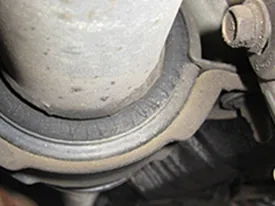
Mid shaft bearing rubber worn out, bad, drive shaft loose.
 Fix first
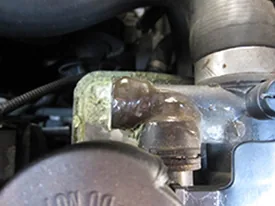
Radiator broken, repaired, and still leaking antifreeze.
Letters from customers of ACE Auto Inspectors, the Metro Atlanta mobile inspection service this site grew out of.
Thank you very much for this find. Although my strong preference is to have leather, if it goes well, then I'll buy the car Mon morning.
As new car collectors from Connecticut, we thought we found a diamond in the rough, a 1972 Chevelle SS with matching numbers located in Georgia. Knowing that we were not going to travel the distance to see the car we knew we needed help from an honest local car inspection agent. […]
Buying across the state line? Each page covers that state's title, inspection and warranty rules.
Yes, if the car costs $3,000 or more and is under seven model years old: 30 days or 1,500 miles up to $4,999, and 60 days or 3,000 miles from $5,000. Older or cheaper cars can be sold as-is.
At 6.35 percent, or 7.75 percent over $50,000, on the NADA average trade-in value or the bill of sale price, whichever is higher. You pay it at the DMV.
No. Model year 2001 and older vehicles are exempt, as are cars under four model years old and full EVs.
Not with the MV-907A alone. It is not a title. The car must pass New York's inspection and get a New York title first.
What an inspection can't do. An inspection reports what can be seen and tested on the day, without taking the car apart. It can't promise that nothing will fail later, and it is not a warranty. Hidden frame repairs, intermittent faults and wear inside the engine or gearbox may not show.