 Fix first
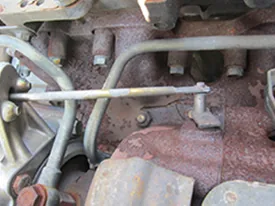
Turbo actuator stuck
Turbo actuator stuck on this truck.
Auto Inspectors books independent pre-purchase inspections anywhere in the District, from Georgetown to Anacostia. A local inspector meets the car on the street, in the garage or at the dealer and sends you a report with photos. Before a used car can be registered in DC, it has to pass inspection at the DMV station at 1001 Half Street SW, so it pays to know what you are buying before you get there.
By Auto InspectorsUpdated
| Inspection before registration | Required; first-time inspections at 1001 Half Street SW |
|---|---|
| Personal vehicle inspection | Valid for 2 years |
| Emissions exemptions | Brand-new cars (4-year sticker), diesel and fully electric passenger cars |
| Salvage title deadline | Owner applies within 30 days of the damage and before repair |
| Registering a salvage car | DC safety inspection plus MPD anti-theft inspection; title branded Rebuilt Salvage |
| New title by mail | Within 10 business days of complete paperwork |
| "As Is" disclaimers by dealers | Unenforceable for implied warranties, except specific defects disclosed in writing at sale |
Our inspectors work across the whole state. Pick your area, or just enter the ZIP code where the car is in the form.
Not on the list? We still cover it. Every ZIP code in District of Columbia is in our area.
The DC DMV wants three things after you buy: DC insurance, a passed DC inspection and the title paperwork. For a used car that means the signed title with the odometer certification on the back, a bill of sale, proof of DC insurance and your DC DMV credential. The primary owner must be a District resident. Once everything is in, the title arrives by mail within about 10 business days.
If a dealer handles the paperwork, you may still need a trip to a service center for a residential parking permit. If you buy from a private seller, go to a service center for a temporary DC registration before you drive it. DC charges an excise tax when you title, so ask the DMV's online estimator for the figure before you agree on a price.
DC ended routine safety inspections for private passenger cars in October 2009. What remains for most cars is an emissions inspection, valid for two years, and every car must pass DMV inspection before it is registered. First-time inspections, which includes any car new to you from outside the District, go through the DMV station at 1001 Half Street SW near Nationals Park. Appointments are offered for 1996 and newer passenger vehicles; otherwise it is first come, first served. Brand-new cars, diesels and fully electric cars skip emissions.
That station checks what the District cares about: emissions, and for some vehicles safety and identity. It does not tell you whether the car was flooded, whether the brakes have a month left or whether a curb took out the control arm. A pre-purchase inspection answers those before you commit.
Buying in Maryland or Virginia and registering in DC. Most DC residents end up shopping in Maryland and Virginia, because that is where the dealer lots and most private sellers are. A car bought there will need its first DC inspection at Half Street before registration, so a car that would fail emissions is a problem you bring home.
Maryland sellers often offer a Maryland safety inspection certificate, which matters for Maryland titling, not DC registration. Have the car inspected by someone working for you, wherever it is. The out-of-state guide covers buying across a line, and our Washington, DC area page covers the wider metro.
Salvage and rebuilt salvage. DC brands total losses as salvage or non-repairable. When an insurer settles a total loss and keeps the car, it must apply for a salvage title within 30 calendar days. An owner who keeps the car must apply within 30 days of the damage and before repairing it.
To register a salvage car, it must pass DC emissions and safety inspections and a Metropolitan Police Department anti-theft inspection; the paperwork goes by mail to the DMV at 95 M Street SW. It then gets a title branded Rebuilt Salvage. A car with another state's salvage brand that passes the same checks keeps that brand, so a DC title can read "MD Salvage" or "VA Salvage." See our salvage title guide.
The District is stricter than most states here. Under DC's commercial code, language from a seller of consumer goods that tries to exclude the implied warranties of merchantability or fitness is unenforceable. A dealer can still exclude particular defects, but only ones noted conspicuously in writing at the time of sale. So an "As Is" sticker on a DC dealer's car does not wipe out your basic right to a car that works as a car should.
That is not a warranty with a fixed term like Connecticut's or Hawaii's, and enforcing it can mean a dispute or a lawsuit. A private seller who is not a merchant does not give a merchantability warranty in the first place. Read the list of disclosed defects closely before you sign, and see as-is and warranties.
City cars wear differently. Stop-and-go traffic on New York Avenue and the 14th Street Bridge is hard on brakes and transmissions, potholes and steel plates bend wheels and wear suspension, and street parking leaves scraped bumpers, curb-rashed wheels and the occasional unreported hit. Low mileage on a DC car does not mean light use.
Flash flooding is the other risk. Heavy summer storms regularly put water over roads and into underpasses and garages, including Rock Creek Parkway and low-lying parts of the city. A car parked in a flooded garage can look fine and fail later, so an inspector checks carpets, seat rails and electrical connectors. DC salts main roads in winter, though less heavily than the suburbs farther north and west.
There are no auction yards inside the District. Nearby, IAA runs a Metro DC branch in Brandywine, Maryland, Copart has yards in Laurel and Baltimore and in Fredericksburg, Virginia, and Manheim runs dealer sales in Elkridge, Maryland, and Fredericksburg. Remember the MPD anti-theft inspection before you bid on salvage. See the auction guide.
Send the listing and where the car is parked. An inspector meets it on the street, in a garage or at a dealer and sends you the report with photos. All eight wards are covered, and our Maryland and Virginia pages cover the suburbs.
Street parking matters for the visit. Ask the seller where the inspector can safely look underneath and run the engine, and whether the car has DC plates and a current sticker. For a sense of cost, mobile inspections are commonly advertised at $210 to $449 depending on the vehicle, and we quote before anything is booked. Book the inspection when you have an address.
Booking an inspection in District of Columbia takes a few minutes. The inspector does the rest.
Where it is, what it is and who is selling it. A link to the listing helps.
A local inspector confirms the price and the visit with you, and with the seller if you want.
Body and paint, underneath, under the hood, a computer scan and a road test where the seller allows it.
A written report with photos, and a call to talk it through before you pay for the car.
Every system gets a plain verdict, with photos of anything that needs attention. Below the example are real faults found on other inspections.
Fix firstTurbo actuator stuck on this truck.
 Fix first
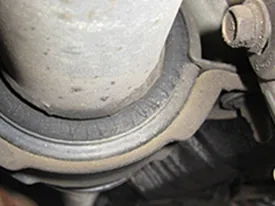
Mid shaft bearing rubber worn out, bad, drive shaft loose.
 Fix first
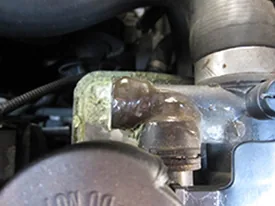
Radiator broken, repaired, and still leaking antifreeze.
Letters from customers of ACE Auto Inspectors, the Metro Atlanta mobile inspection service this site grew out of.
I would never consider buying a car without it being checked first by Ace Auto Inspectors. They are easy to deal with and completely thorough in their evaluation. Their service is a great value with a small price to pay for the peace of mind I get making an investment as significant as a car. […]
I found my dream car on eBay. It was a '55 Chevy. The problem was that it was located in Georgia, and I live in Arizona. I got quotes from a few, and by accident found Ace Auto Inspectors.
Buying across the state line? Each page covers that state's title, inspection and warranty rules.
Not routinely. It ended for private passenger cars in October 2009. Emissions inspection remains, valid for two years, and salvage cars must pass safety and anti-theft inspections.
First-time inspections go to the DC DMV inspection station at 1001 Half Street SW. Appointments are available for passenger cars 1996 and newer.
Only after it passes DC inspection at Half Street and you bring the title, bill of sale, DC insurance and your DC credential.
Yes, if it passes DC emissions, safety and MPD anti-theft inspections. The DC title keeps the Maryland salvage brand.
What an inspection can't do. An inspection reports what can be seen and tested on the day, without taking the car apart. It can't promise that nothing will fail later, and it is not a warranty. Hidden frame repairs, intermittent faults and wear inside the engine or gearbox may not show.